Professional Water Damage Restoration in Chicago
24/7 Emergency Response • IICRC Certified Technicians • Free Inspection
Call Now: (888) 450-0858Water Damage Restoration Services for Chicago Properties
Every water damage event requires a different response based on the water category (clean, gray, or black water), the damage class (Class 1–4), and the materials affected. Our IICRC-certified technicians follow the ANSI/IICRC S500-2021 standard for every project. Learn about the full 7-step restoration process →
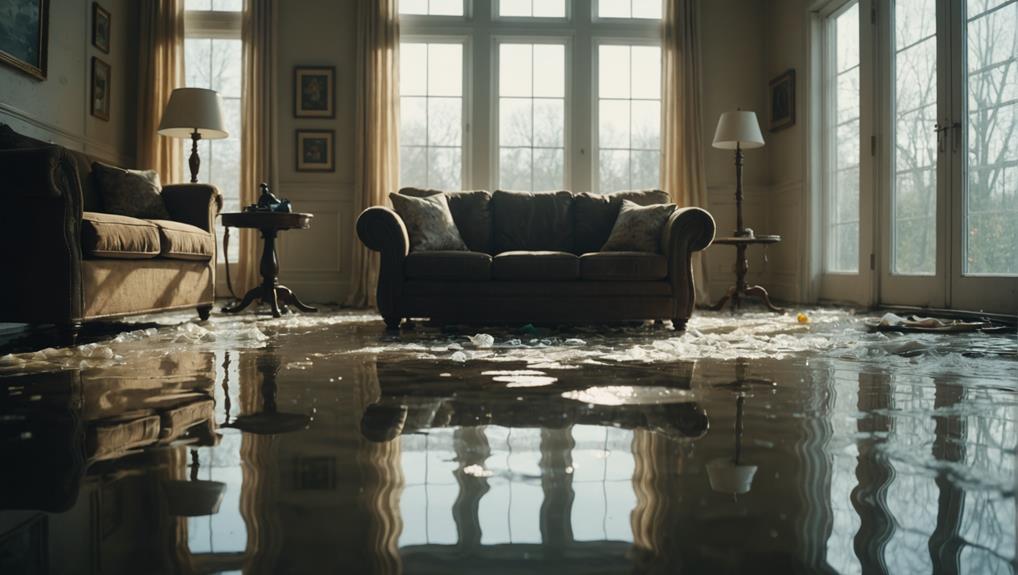
Emergency Water Extraction
Truck-mounted extractors remove up to 25 gallons per minute of standing water. For Chicago basements prone to spring flooding, rapid extraction within the first 2 hours prevents structural saturation and reduces total restoration cost by 40–60%. What to do in the first 60 minutes →
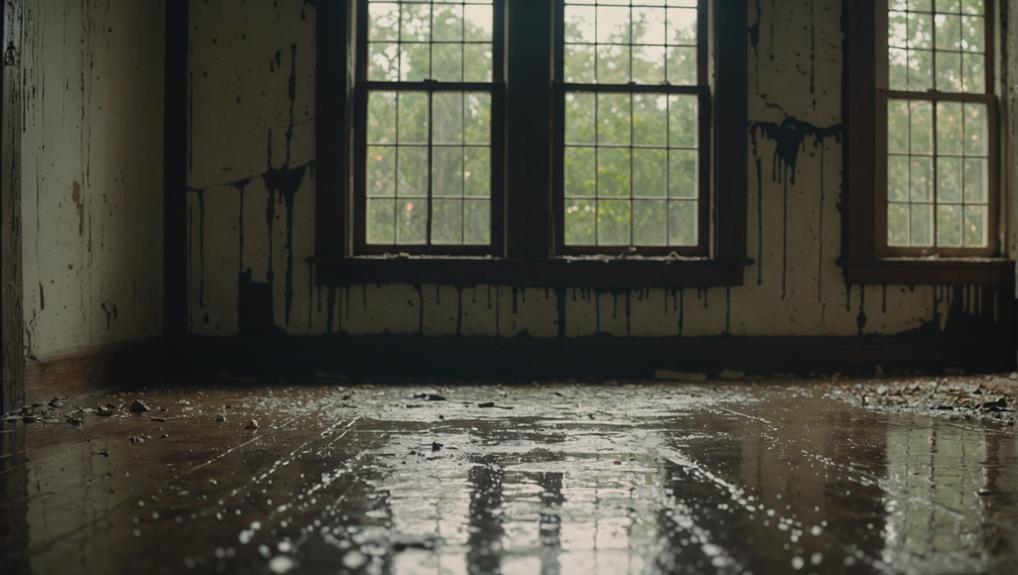
Mold Prevention & Remediation
Mold colonization begins within 24–48 hours of water exposure. We apply EPA-registered antimicrobial treatments during the drying phase and verify clearance with post-remediation air quality testing. Chicago's humid summers (65–75% average humidity June–August) accelerate mold growth significantly.
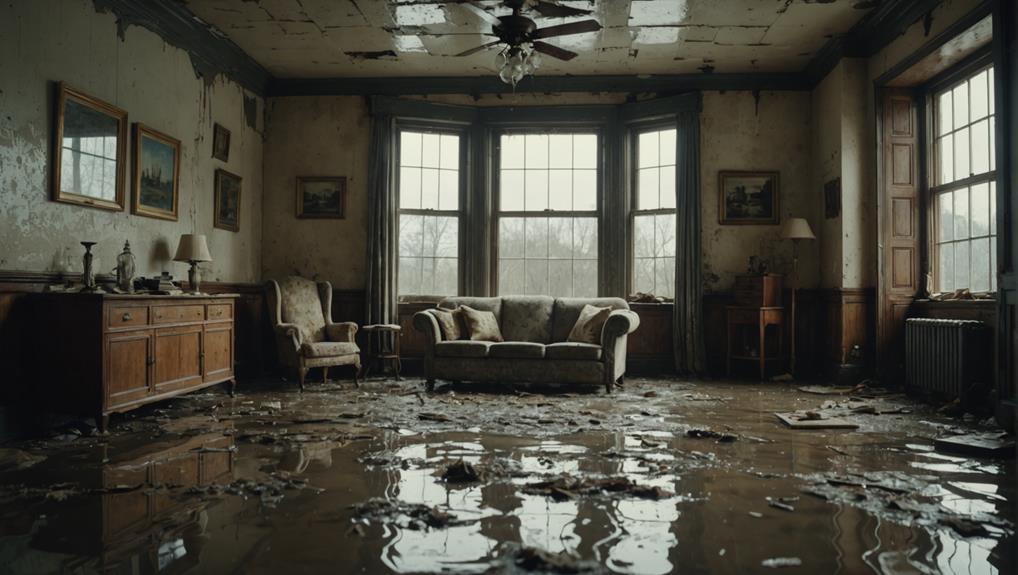
Structural Drying & Dehumidification
Commercial LGR dehumidifiers (130–180 pints/day capacity) paired with high-velocity air movers (2,900 CFM) bring moisture levels to the IICRC target of ≤16% within 3–5 days for most residential properties. See what drying costs in Chicago →
What Separates IICRC-Certified Restoration from Unlicensed Cleanup
60-Minute Emergency Response
Our Chicago-based crews arrive within 60 minutes, 24/7/365. During the November–March pipe burst season, we pre-position equipment in high-demand zones across the city to maintain sub-hour response times even during surge periods.
IICRC S500-2021 Certified Process
Every technician holds the IICRC Water Damage Restoration Technician (WRT) certification. We follow the ANSI/IICRC S500-2021 standard — the industry's definitive protocol for water damage restoration — on every project regardless of size.
Free Moisture Mapping Assessment
Our inspection includes thermal imaging and pin-type moisture meter readings at 12+ measurement points per room. This identifies hidden moisture behind walls and under floors that visual inspection alone cannot detect. Learn the signs of hidden water damage →
Direct Insurance Billing & Documentation
We work with all major insurance providers and produce Xactimate-compatible estimates that adjusters accept on first submission. Our documentation includes timestamped photos, moisture readings, and equipment logs that satisfy claims requirements without back-and-forth delays.
Chicago Neighborhoods and Suburbs We Serve for Water Damage Restoration
Chicago's diverse building stock — from pre-war greystones in Bridgeport to modern high-rises in the Loop — each present unique water damage challenges. Our crews carry equipment and materials suited to every construction type found across Chicagoland.
- Lincoln Park
- Loop / Downtown
- River North
- Gold Coast
- Wicker Park
- Lakeview
- Hyde Park
- Logan Square
- Bridgeport
- Pilsen
- Rogers Park
- Albany Park
- Evanston
- Oak Park
- Naperville
Water Damage Restoration Questions Chicago Property Owners Ask
How quickly can you respond to water damage emergencies in Chicago?
Our Chicago-based crews arrive within 60 minutes of your call, 24 hours a day, 365 days a year. During the November–March pipe burst season, we pre-position equipment across high-demand zones in the city to maintain sub-hour response times. The first 2 hours after water damage are critical — rapid extraction during this window reduces total restoration cost by 40–60% and significantly lowers the risk of mold colonization. Learn what to do in the first 60 minutes →
How much does water damage restoration cost in Chicago?
Average residential water damage restoration in Chicago ranges from $1,300 to $5,600, depending on the water category (Category 1 clean water vs Category 3 black water), the damage class (Class 1 through Class 4), the square footage affected, and the materials involved. Category 3 sewage backup restoration typically costs 2–3x more than Category 1 clean water events due to the biohazard remediation requirements. Most homeowner insurance policies cover sudden and accidental water damage but exclude flood damage and gradual leaks. See the full cost breakdown →
Do you work with insurance companies for water damage claims?
Yes — we work with all major insurance providers and produce Xactimate-compatible estimates that adjusters accept on first submission. Our documentation includes timestamped photos at every stage, moisture meter readings, equipment placement logs, and a final clearance report. We also provide direct billing to your insurance carrier so you don't have to pay out of pocket and wait for reimbursement. Filing a claim within 48 hours of discovery is critical for coverage approval.
What types of water damage are most common in Chicago?
Chicago's most common water damage events are pipe bursts during freeze-thaw cycles (November–March), basement flooding from the city's clay soil and combined sewer system during heavy rainfall, sewer backup during spring storm surges, and roof leaks from ice dam formation on flat-roof buildings. We handle all categories of water damage — from clean supply line breaks (Category 1) to contaminated sewer backups (Category 3) — for both residential and commercial properties across all Chicago neighborhoods.
How do you prevent mold after water damage in Chicago homes?
Mold colonization begins within 24–48 hours of water exposure, and Chicago's humid summers (65–75% average relative humidity June–August) accelerate growth significantly. We apply EPA-registered antimicrobial treatments during the active drying phase and use commercial LGR dehumidifiers to bring structural moisture below the IICRC target of 16% within 3–5 days. After drying is complete, we conduct post-remediation air quality testing to verify spore counts are below acceptable levels before releasing the property.
What does the water damage restoration process involve?
Our IICRC S500-2021 compliant process involves 7 stages: emergency inspection and moisture mapping, standing water extraction using truck-mounted units, detailed moisture documentation at 12+ measurement points per room, structural drying with commercial dehumidifiers and air movers, cleaning and antimicrobial treatment, restoration and repair of damaged materials, and final clearance testing to verify moisture levels meet IICRC standards. Most residential projects complete in 3–7 days depending on damage severity. See the full 7-step process →
How can I tell if my Chicago home has hidden water damage?
Hidden water damage is common in Chicago's older housing stock — especially in plaster-and-lathe walls, balloon-frame construction, and behind bathroom tile in pre-1970 homes. Warning signs include musty or earthy odors (indicating mold behind walls), unexplained increases in your water bill (suggesting a hidden pipe leak), bubbling or peeling paint, soft spots in flooring, and visible discoloration on ceilings or walls. If you suspect hidden damage, a professional moisture assessment with thermal imaging can identify wet areas that are invisible to the naked eye. Learn all the warning signs →
Need Water Damage Restoration in Chicago?
Call us now for immediate assistance
(888) 450-0858